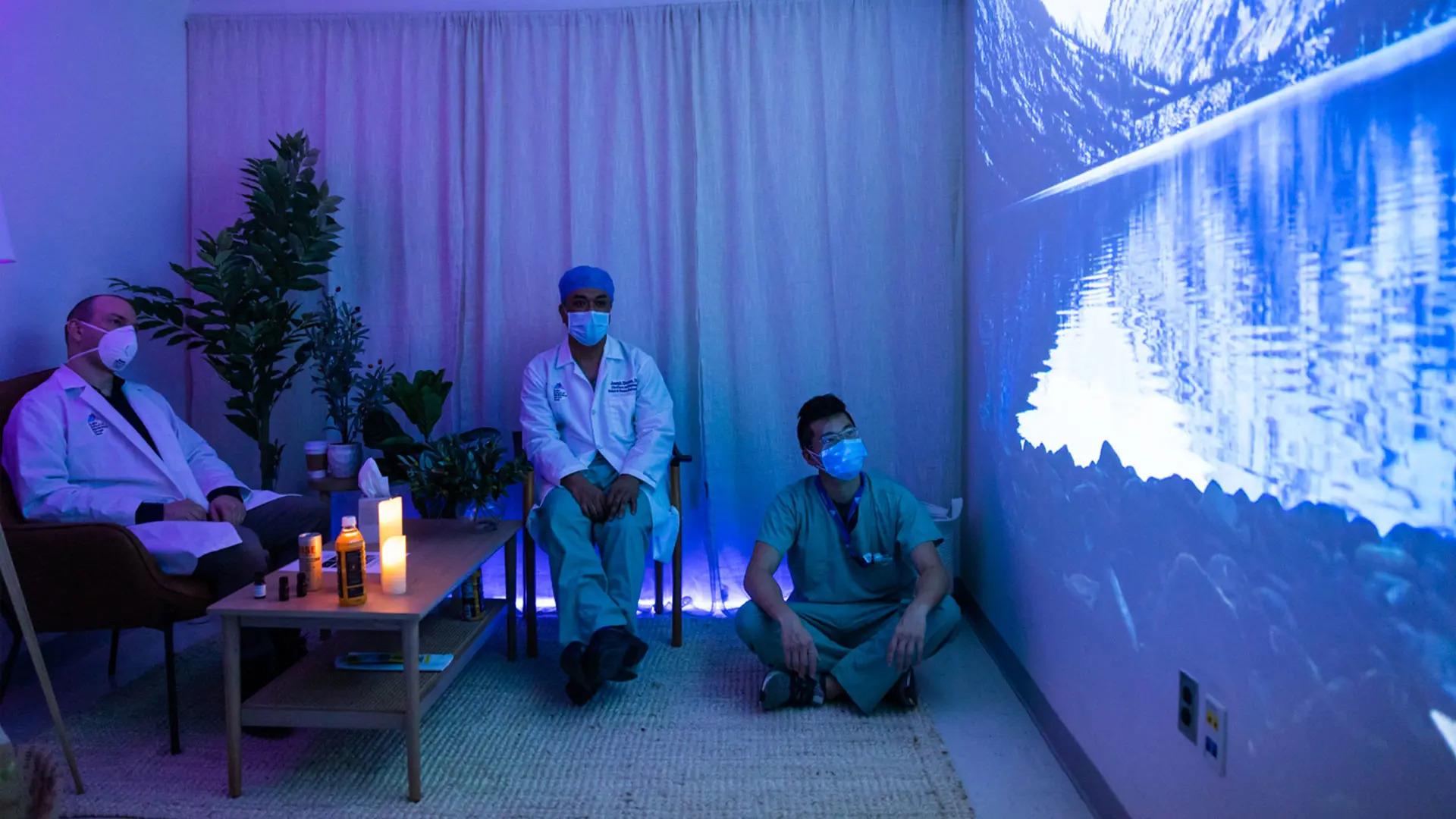
Recharge Rooms
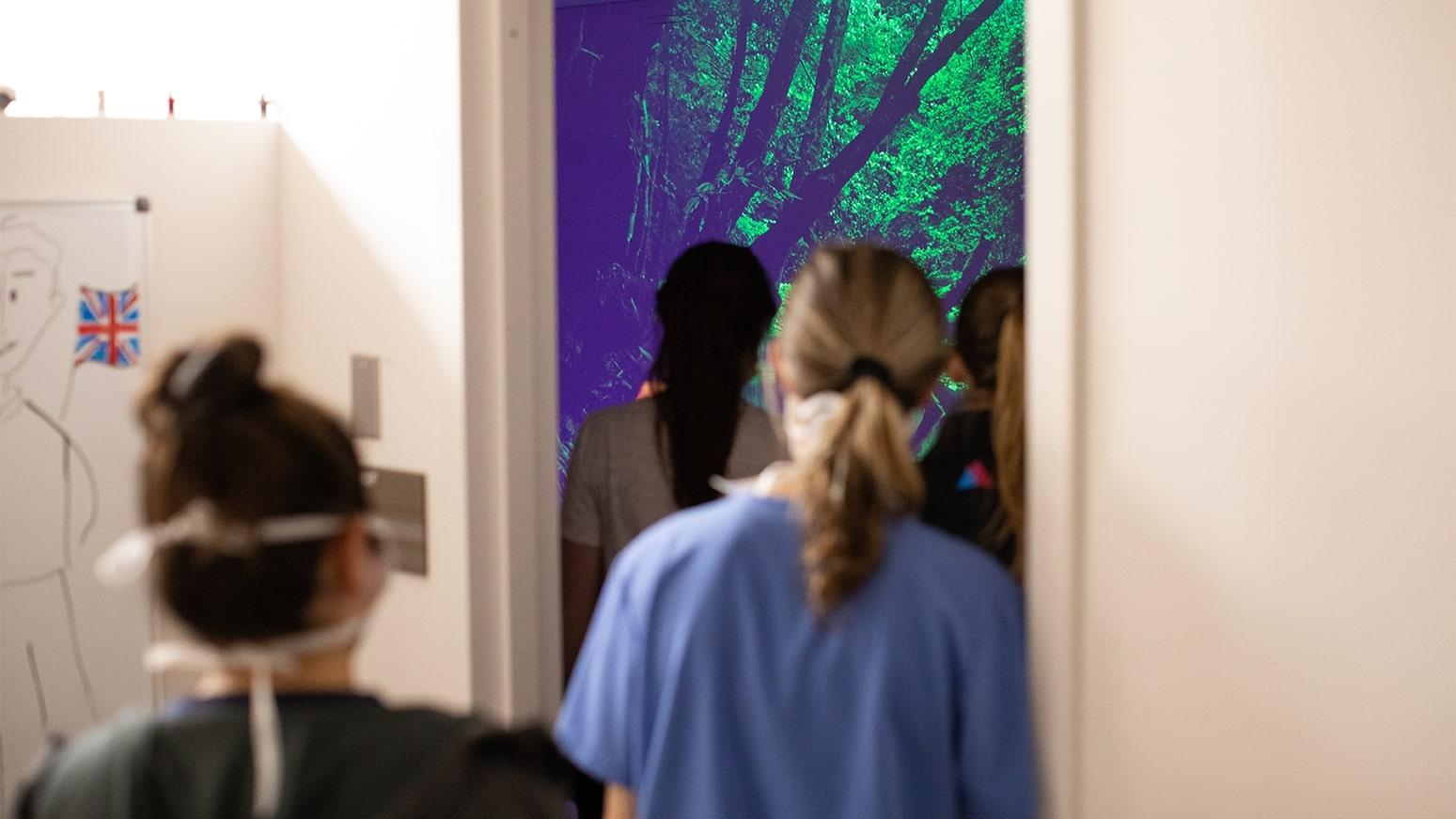
Overview: Studio Elsewhere’s Recharge Rooms are immersive biophilic private spaces that include music, scent, lighting, and sound, designed with research support from the Abilities Research Center at the Icahn School of Medicine at Mount Sinai to support the well-being and recovery of care providers.
Year: 2022
Team: Studio Elsewhere
Roles: Python, Linux, Gstreamer
Concept
Burnout is particularly severe among healthcare workers, a situation worsened by the COVID-19 pandemic. Hospitals, often at full capacity, were overwhelmed with critically ill patients, pushing healthcare professionals to manage extreme workloads under stressful conditions. The pandemic heightened their stress, anxiety, and existential fears, leading to increased rates of depression and PTSD. Notably, a national survey showed that before the pandemic, about a third of nurses experienced burnout, a figure that rose to 92% among critical-care nurses during the pandemic.
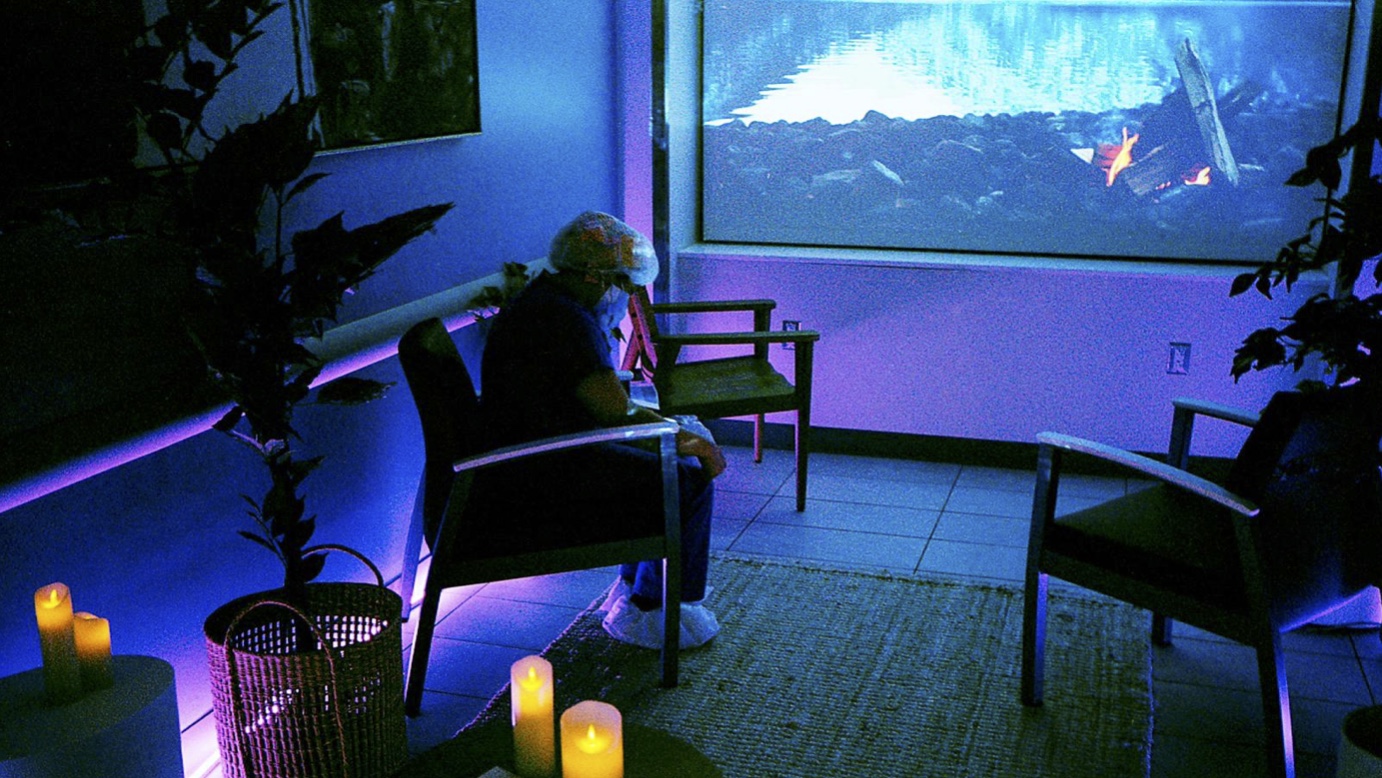
In response, Studio Elsewhere introduced Recharge Rooms, immersive, multisensory environments designed to alleviate stress and enhance cognitive performance through projections, music, scent, and lighting. Developed with support from the Abilities Research Center at Mount Sinai, these rooms have been installed in over 50 hospitals across the U.S., powering over a million sessions. Research shows these rooms reduce stress by 60% and improve mood, cognitive function, and social connectivity after just 15 minutes.
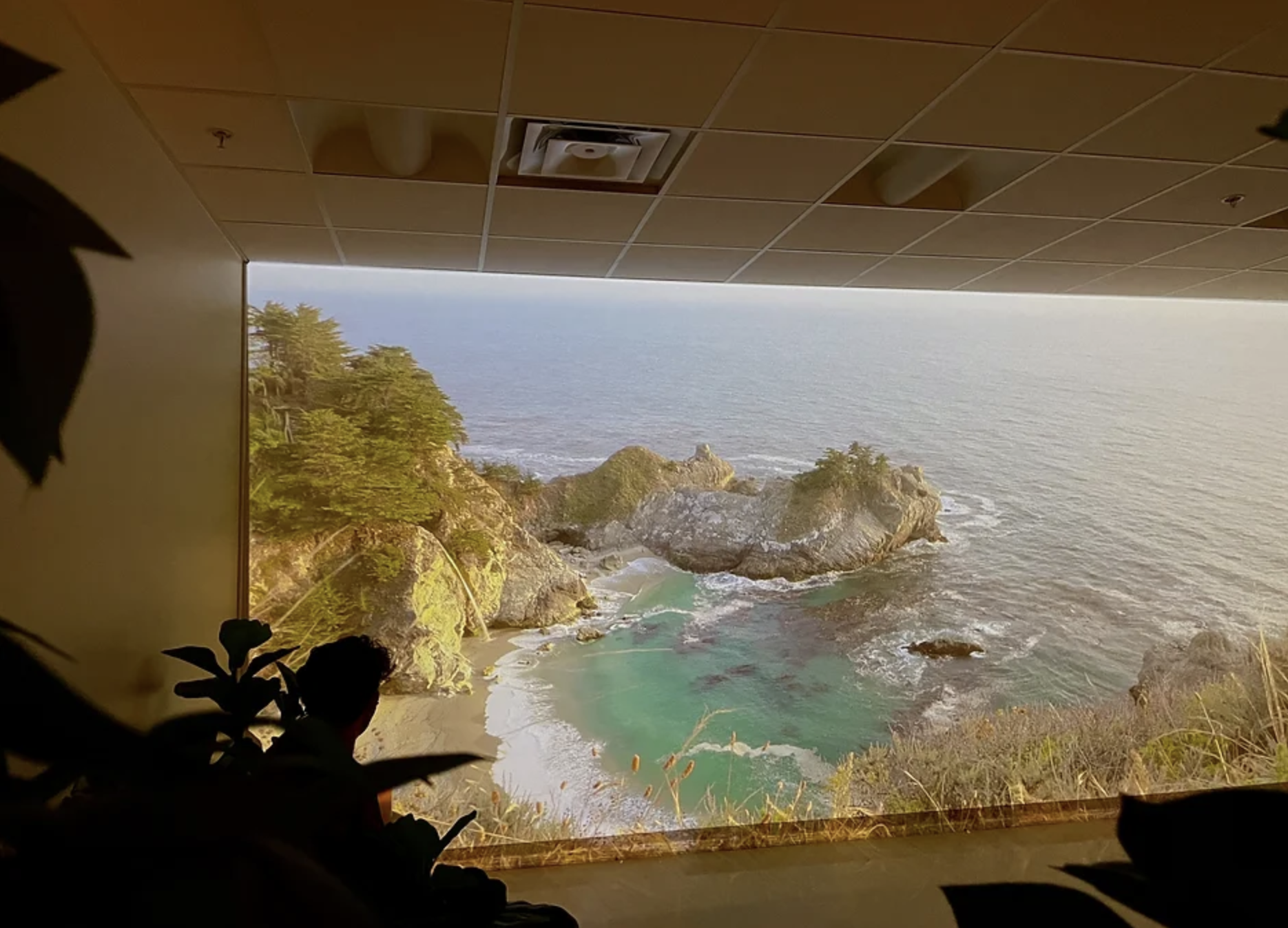
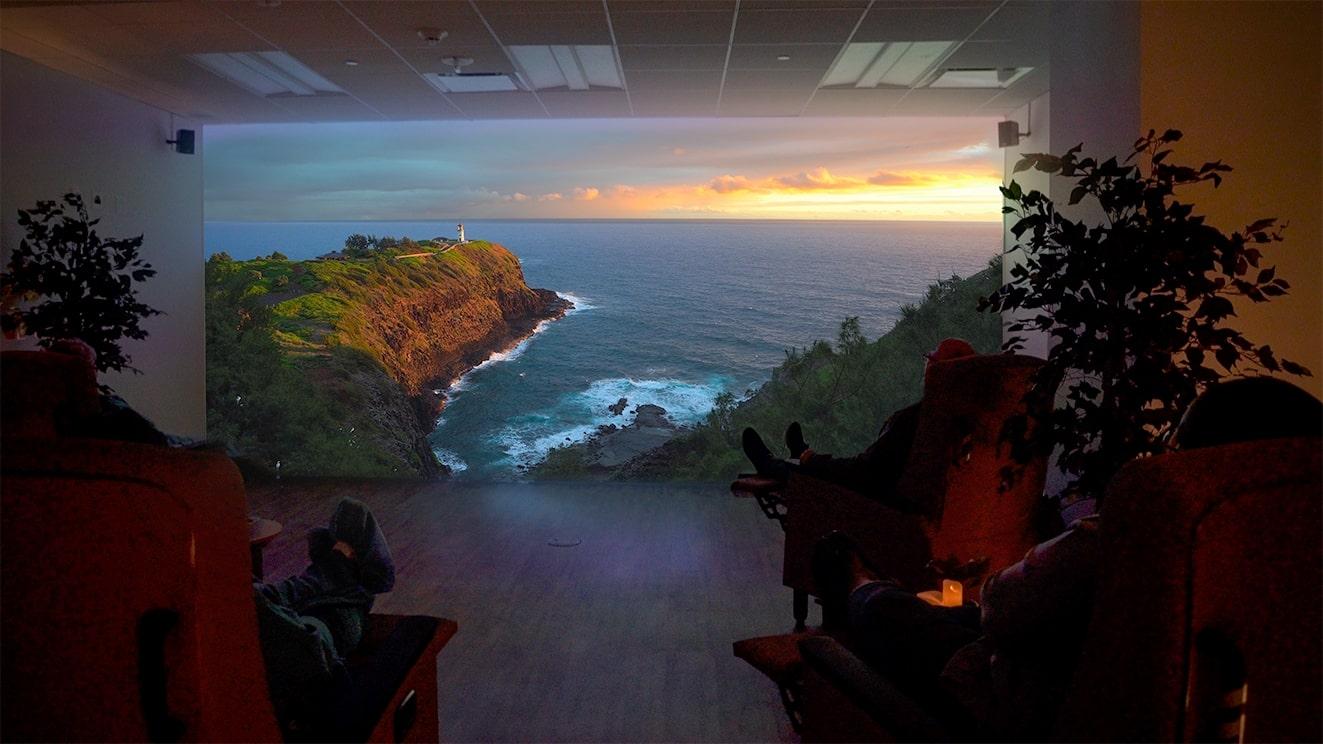
Each Recharge Room session displays nature scenery from across the country, each shot carefully crafted incorporating natural elements, shapes, forms, patterns, and processes, as well as maximizing natural light, using natural materials, and designing structures that mimic natural systems.

Process
The Recharge Rooms use a voice-activated model to query video selections. My task was to incorporate the inferred video key and programmatically launch a video player. The challenge was creating a video player that could operate on a small single-board computer running multiple microservices. To achieve this, I implemented a Python class running on a separate thread to manage video playback, ensuring that the main thread remained unblocked.